
Niacinamide: The Quiet All-Rounder Every Skin Type Should Be Using
If you walked into our Caulfield South studio and asked us to recommend the one serum that almost every client needs, we would not say retinol or vitamin C. We would say niacinamide.
It is rarely the star of a marketing campaign. It does not strip the skin. It does not produce visible peeling. But it quietly does the work calming, regulating, refining, repairing and it pairs with almost every other active in your routine.
What niacinamide actually is
Niacinamide is a form of vitamin B3. Unlike vitamin C or retinol, it is water-soluble and stable. Which means your formulation lasts longer, oxidises less, and behaves predictably across skin types.
It works on several layers of the skin at once:
- Ceramide production: niacinamide signals the skin to produce more of its own lipids, which strengthens the barrier
- Sebum regulation: it reduces excess oil without drying the skin
- Pore appearance: by reducing sebum and inflammation around the follicle, pores look smaller
- Pigmentation: it interrupts the transfer of melanin from melanocytes to surface cells, which helps fade post-acne marks and uneven tone
- Redness: it calms vascular reactivity, which makes it a quiet workhorse for rosacea-prone skin
The right percentage
This is where most people get it wrong. More is not better.
- 2–5% niacinamide: clinically effective for most concerns. This is what we recommend in studio.
- 10%+ niacinamide: can trigger flushing, tingling or a paradoxical increase in sensitivity, especially on already-reactive skin
A 5% niacinamide serum used consistently for 12 weeks delivers measurably better results than a 10% serum used inconsistently for 4 weeks.
Who should use it
Honestly, almost everyone. But it is particularly transformative for:
- Oily and combination skin: regulates sebum without stripping
- Acne-prone skin: reduces inflammation without compromising the barrier
- Rosacea or redness-prone: quiets vascular flushing
- Post-inflammatory hyperpigmentation: fades the marks that breakouts leave behind
- Sensitive or compromised barriers: rebuilds ceramides
How to layer it
This is the part most blogs get wrong.
- With vitamin C: the old myth that you cannot layer them is just that a myth. Modern formulations are compatible. We typically use vitamin C in the morning, niacinamide either morning (under SPF) or evening.
- With retinol: apply niacinamide first as a buffer, then retinol. The niacinamide reduces the chance of retinol-related irritation and helps the barrier tolerate the retinol better.
- With AHA/BHA acids: alternate nights. Same skin, but different nights, to avoid stacking sensitisers.
- With SPF: always, every morning, full stop.
What niacinamide will NOT do
It is not a wrinkle eraser. It is not a quick brightening treatment. It is not a substitute for retinol or peels.
It is a foundation. It is what makes everything else in your routine work better, with less irritation and longer-lasting results.
The Murad product we use in studio
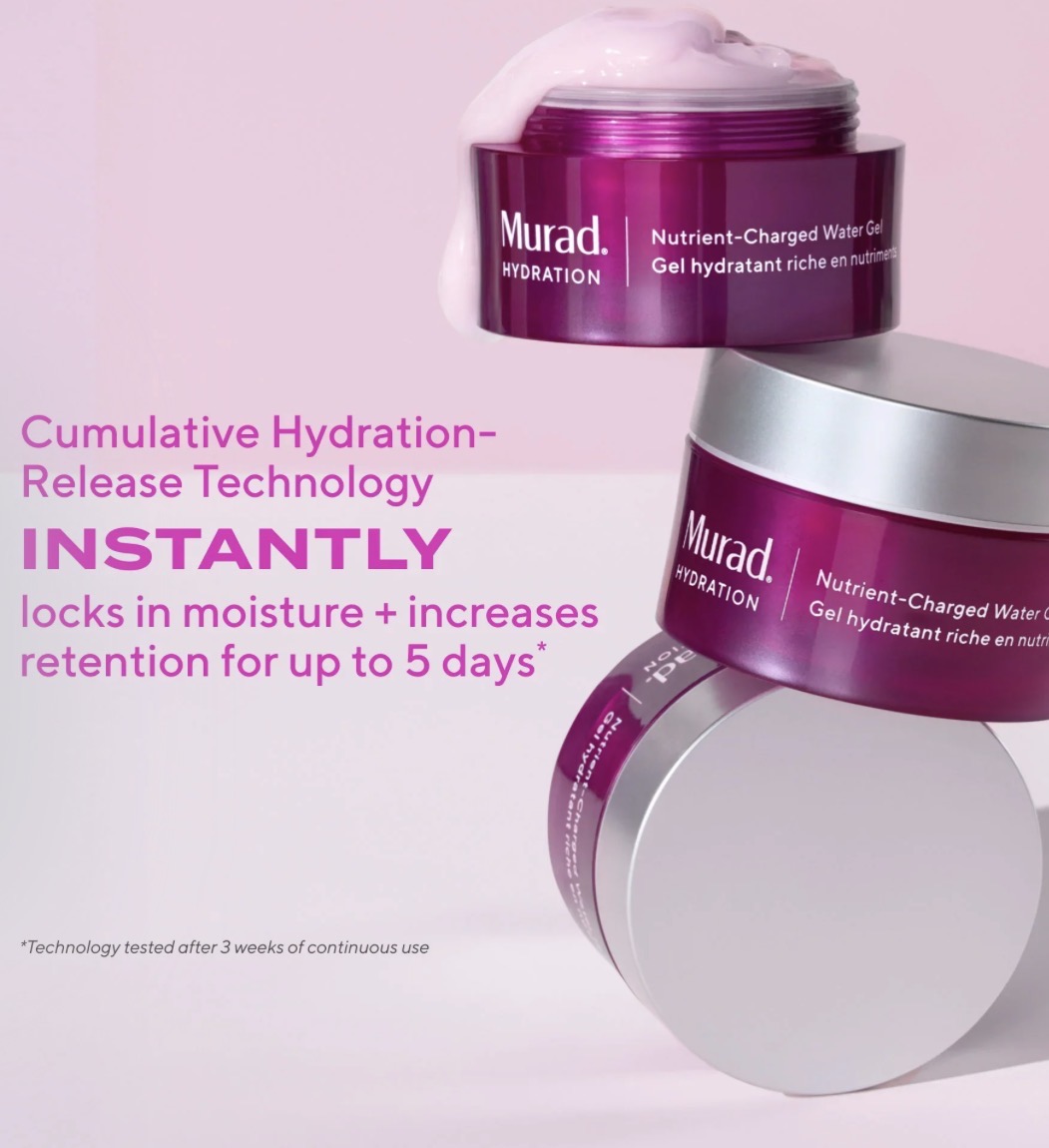
Murad's niacinamide-containing serums are a staple in our facial protocols. We pair them with LED therapy to maximise the calming and barrier-strengthening effect.
If you have been chasing redness, oil, pore size or post-acne marks with no consistent results, niacinamide is the ingredient your routine is most likely missing. Add it for 12 weeks and watch what happens.
Want a personalised plan for your skin? Book a consultation at our Caulfield South studio.